

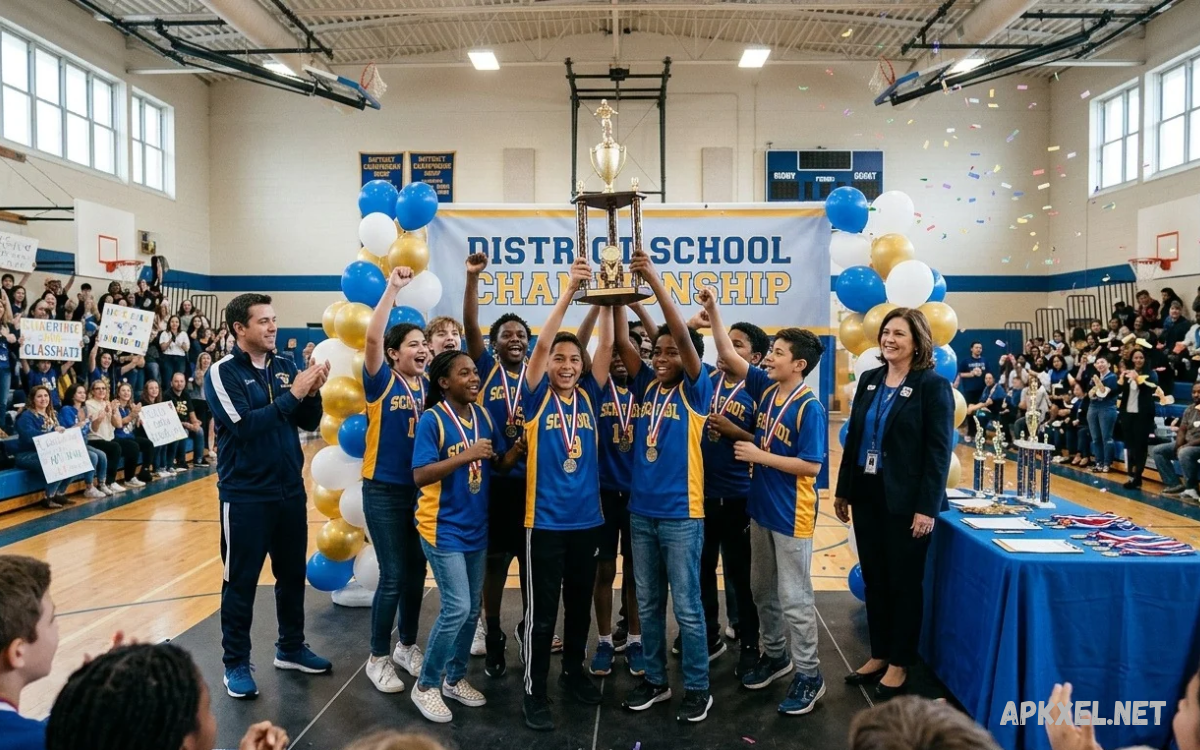
A School Trophy Competition brings students together through exciting activities, friendly challenges, and opportunities to demonstrate their talents.
School trophy competitions can include sports, quizzes, debates, science projects, art contests, spelling bees, and other educational activities.
What Is a School Trophy Competition?
A School Trophy Competition is an organized event where students, classes, houses, or school teams compete for trophies, medals, certificates, and recognition.
The competition may focus on academics, athletics, creativity, leadership, or teamwork. Teachers set clear rules, choose appropriate activities, and evaluate performances fairly so every participant understands expectations and has a chance to succeed.
Importance of School Trophy Competition
School trophy competitions make school life more engaging by giving students meaningful goals beyond regular classroom activities. They encourage students to explore their strengths, develop new interests, and discover abilities that may not become visible during ordinary lessons.
These events also help build a positive school culture. Students support their classmates, celebrate achievements, and learn to appreciate different talents, creating stronger relationships between students, teachers, and school communities.
Benefits of School Trophy Competition for Students
Participating in a School Trophy Competition helps students develop confidence by allowing them to demonstrate their knowledge, creativity, and abilities. Preparing for an event teaches responsibility, planning, persistence, and the importance of practicing regularly to improve performance.
Students also learn how to handle success and disappointment constructively. Winning a trophy can feel rewarding, while losing provides an opportunity to identify weaknesses, accept feedback, and prepare for future challenges with greater determination.
Types of School Trophy Competitions
Schools can organize many types of trophy competitions according to students’ ages, interests, and abilities. Popular options include football tournaments, cricket matches, mathematics quizzes, science exhibitions, spelling contests, public speaking events, drawing competitions, and cultural performances.
A balanced competition calendar gives students opportunities to explore different areas of development. Schools can combine academic and extracurricular events so students with different interests have a fair chance to participate and receive recognition for their efforts.
Academic School Trophy Competition
Academic trophy competitions encourage students to strengthen their knowledge, improve concentration, and develop problem-solving skills. Common activities include general knowledge quizzes, mathematics challenges, spelling bees, essay writing, science presentations, and subject-based team contests.
Teachers can design questions and tasks according to the students’ learning levels. Clear assessment criteria help judges evaluate accuracy, originality, understanding, and presentation while making the competition educational, engaging, and fair for every participant.
Sports School Trophy Competition
Sports trophy competitions provide students with opportunities to improve physical coordination, teamwork, strategic thinking, and discipline. Activities such as football, cricket, basketball, badminton, athletics, and volleyball encourage students to remain active and cooperate toward shared goals.
Schools should prioritize safety, inclusive participation, and good sportsmanship during every sporting event. Proper supervision, suitable equipment, clear rules, and age-appropriate activities help students enjoy competition while learning to respect teammates, opponents, coaches, and officials.
Creative Arts and Cultural Trophy Competition
Creative competitions give students a platform to express their imagination through drawing, painting, music, drama, photography, crafts, and cultural performances. These activities encourage original thinking and help students develop communication skills while appreciating different forms of artistic expression.
Judges can assess creativity, effort, technique, presentation, and relevance to the selected theme. Schools should recognize different strengths rather than focusing exclusively on first place, allowing students to feel valued for their ideas, dedication, and artistic progress.
How to Organize a School Trophy Competition
Successful organization begins with a clear purpose, an appropriate event schedule, a realistic budget, and a suitable venue. School administrators and teachers should decide which activities to include, identify the intended participants, and establish rules before announcing the competition.
An organizing committee can manage registrations, equipment, judging arrangements, decorations, certificates, and trophies. Assigning responsibilities in advance reduces confusion and allows teachers to focus on student participation, safety, fairness, and the overall quality of the event.
Planning a School Trophy Competition Schedule
A well-planned schedule helps participants understand when each activity will begin and where they need to be. Organizers should consider lesson timings, examination dates, school holidays, available facilities, and the number of students expected to participate.
The schedule should include registration deadlines, preparation periods, competition sessions, judging intervals, and the award ceremony. Sharing this information with students, teachers, and parents helps everyone prepare properly and reduces delays during the event.
Setting Fair Rules for School Competitions
Fair rules are essential for building trust and ensuring that every participant receives equal treatment. Organizers should explain eligibility requirements, scoring methods, time limits, equipment restrictions, judging procedures, and any penalties before the competition begins.
Rules should also address respectful behavior, disputes, accessibility, and student safety. When participants understand the requirements in advance, they can focus on performing well rather than worrying about inconsistent decisions or unexpected changes.
Choosing Trophies and Awards for Students
Trophies provide a lasting reminder of effort, achievement, and participation in school activities. Schools can choose traditional cups, shields, plaques, medals, certificates, or personalized awards according to their budget, event theme, and the age of the participants.
Award categories may include overall winner, best teamwork, outstanding creativity, academic excellence, sportsmanship, and most improved performance. Thoughtful recognition helps celebrate a wider range of accomplishments and encourages students to keep developing their abilities.
Budgeting for a School Trophy Competition
A practical budget helps schools manage expenses without compromising the quality or fairness of the competition. Common costs include trophies, certificates, sports equipment, stationery, venue preparation, sound systems, decorations, refreshments, and event materials.
Schools can reduce expenses by reusing suitable equipment, seeking approved sponsorships, using digital registration forms, and selecting affordable awards. Transparent financial planning ensures that available resources support meaningful student experiences instead of unnecessary spending.
Role of Teachers in School Trophy Competition
Teachers guide students throughout the preparation and competition process. They explain the rules, provide constructive feedback, encourage practice, supervise activities, and help participants understand the value of effort, cooperation, and respectful behavior.
Teachers also help ensure that competitions remain educational rather than becoming sources of excessive pressure. By recognizing improvement and encouraging participation, they create an environment where students feel comfortable learning new skills and trying unfamiliar activities.
Role of Students in School Trophy Competition
Students contribute to a successful competition by preparing responsibly, following instructions, cooperating with teammates, and treating everyone respectfully. Their involvement may include participating in events, helping organize activities, supporting classmates, or volunteering under appropriate supervision.
Good participants understand that winning is only one part of the experience. Listening to feedback, accepting decisions calmly, encouraging others, and learning from mistakes help students develop qualities that remain valuable long after the trophy ceremony ends.
Role of Parents in School Trophy Competition
Parents can support school competitions by encouraging practice, helping children manage their schedules, and showing interest in their progress. Positive encouragement helps students feel supported without making them believe that winning is necessary to earn approval.
Parents should also promote healthy attitudes toward competition by celebrating effort, perseverance, and improvement. Respectful communication with teachers and organizers helps maintain a supportive atmosphere in which students can participate confidently and enjoy their achievements.
School Trophy Competition and Teamwork
Team-based competitions teach students how to communicate, share responsibilities, solve problems, and work toward common goals. Whether students participate in sports, quizzes, science projects, or stage performances, cooperation often plays an important role in achieving success.
Working in a team also teaches patience and respect for different perspectives. Students discover that effective collaboration requires listening, making thoughtful decisions, managing disagreements, and recognizing each person’s contribution rather than focusing only on individual performance.
School Trophy Competition and Leadership Skills
Leadership opportunities emerge when students organize teams, coordinate tasks, encourage classmates, and help solve unexpected problems. These responsibilities teach students how to make decisions, communicate clearly, and remain accountable for their actions during challenging situations.
Schools can encourage leadership by allowing students to serve as team captains, event volunteers, house representatives, or project coordinators. Appropriate guidance ensures that these roles develop confidence and responsibility while maintaining fairness, inclusion, and respect among participants.
Building Confidence Through School Competitions
Taking part in a School Trophy Competition can help students feel more comfortable speaking, performing, presenting ideas, and showing what they can do.
Confidence develops through preparation, supportive feedback, and opportunities to try again. Schools should create welcoming environments where beginners feel encouraged, and mistakes are treated as normal parts of learning rather than reasons for embarrassment.
Read Also: Best Shopping Apps: Top Apps for Deals, Discounts, and Easy Buying
Encouraging Healthy Competition Among Students
Healthy competition motivates students to improve their skills while respecting others’ abilities and achievements. Clear expectations, supportive coaching, and fair judging help students understand that personal growth and positive participation matter as much as winning.
Schools should avoid comparing students in ways that create unnecessary pressure or discourage participation. Celebrating progress, teamwork, creativity, and good sportsmanship helps maintain enthusiasm and makes competitions more rewarding for students with different strengths and experience levels.
Inclusive School Trophy Competition Ideas
Inclusive competitions provide opportunities for students with different interests, abilities, and learning needs. Schools can offer a variety of activities, adaptable rules, accessible venues, and alternative participation methods so more students can contribute meaningfully.
Examples include collaborative art projects, mixed-skill quizzes, storytelling, accessible sports activities, environmental challenges, and group presentations. Organizers should consult appropriate school staff when adaptations are needed and ensure that every student receives respectful treatment throughout the event.
Using Technology in School Trophy Competition
Technology can make school competitions easier to organize and more engaging for participants. Digital registration forms, presentation software, online quiz platforms, electronic scoreboards, and approved communication tools can simplify administration and help organizers share information efficiently.
Schools should choose tools that suit students’ ages, available resources, and privacy requirements. Reliable internet access should not become a barrier to participation, so organizers can provide offline alternatives whenever digital activities are not practical for everyone.
Environmental Awareness School Trophy Competition
Environmental competitions encourage students to explore sustainability through practical school projects. Activities may include recycling challenges, poster design, gardening projects, energy-saving campaigns, waste reduction ideas, and presentations about protecting local environments.
These events connect classroom learning with everyday responsibility. Students can work in teams to identify environmental problems, suggest realistic improvements, and communicate their findings, while awards recognize creativity, teamwork, research quality, and the usefulness of proposed solutions.
Science and Innovation Trophy Competition
Science competitions allow students to investigate questions, test ideas, create models, and explain discoveries. Projects may explore renewable energy, water conservation, simple machines, robotics, plant growth, or other age-appropriate topics connected to scientific learning.
Judges should value clear explanations, careful observation, originality, and responsible experimentation. Students should receive suitable supervision and use safe materials, helping them explore innovation while learning how evidence, curiosity, and problem-solving contribute to scientific progress.
School Trophy Competition Award Ceremony
An award ceremony provides an opportunity to recognize students’ achievements and celebrate the effort behind each performance. Schools can include welcome speeches, brief event highlights, trophy presentations, certificates, and appreciation for teachers, volunteers, and organizing teams.
A well-managed ceremony should remain welcoming and respectful toward all participants. Schools can announce winners clearly, acknowledge honorable performances, and thank students for their involvement, ensuring that recognition strengthens school spirit instead of creating unnecessary divisions.
Common Challenges During School Trophy Competition
Organizers may face challenges such as limited budgets, schedule conflicts, insufficient equipment, uneven participation, or disagreements about judging decisions. Identifying these possibilities early helps schools develop practical solutions and maintain a smooth event.
Clear communication, backup arrangements, transparent scoring, and realistic planning can reduce many common problems. Schools should also gather feedback after the event so future competitions can address weaknesses and provide a better experience for students and staff.
Measuring the Success of a School Trophy Competition
The success of a competition should not depend entirely on attendance figures or the number of trophies awarded. Organizers can also evaluate student participation, teamwork, skill development, fairness, enjoyment, safety, and the quality of communication throughout the event.
Feedback from students, teachers, and parents can reveal which activities worked well and which need improvement. Reviewing these findings helps schools create more inclusive, engaging, and educational competitions that reflect student interests and school priorities.
How to Prepare Students for a Trophy Competition
Preparation begins with understanding the event requirements and developing a realistic practice routine. Students should review relevant material, learn the rules, organize equipment, seek guidance when necessary, and focus on improving specific skills instead of worrying only about the final result.
Rest, balanced routines, and positive encouragement also support effective preparation. Teachers and parents can help students set achievable goals, manage nervousness, and maintain perspective, reminding them that participation offers valuable experience regardless of the competition outcome.
School Trophy Competition Ideas for Primary Students
Primary school competitions should emphasize enjoyment, creativity, basic skills, and positive participation. Suitable activities include drawing, storytelling, simple quizzes, puzzles, relay games, spelling challenges, model making, and group performances that match students’ developmental stages.
Teachers should explain instructions in simple language and provide enough support for young participants to feel comfortable. Small awards, certificates, team recognition, and encouraging feedback can make the experience memorable without placing unnecessary pressure on children to win.
School Trophy Competition Ideas for Secondary Students
Secondary school students may enjoy competitions that involve deeper research, strategic thinking, presentation skills, and collaboration. Suitable options include debate tournaments, science exhibitions, coding challenges, sports leagues, business idea presentations, general knowledge contests, and environmental innovation projects.
These activities can help students connect academic knowledge with practical challenges. Organizers should provide clear assessment criteria and constructive feedback so participants understand their strengths, identify areas for improvement, and build skills that support future educational opportunities.
Promoting a School Trophy Competition
Effective promotion helps students understand available activities and encourages broad participation. Schools can announce events through noticeboards, classroom announcements, newsletters, parent communication channels, and approved digital platforms while sharing registration details and eligibility requirements.
Promotional messages should highlight the purpose of the competition, the range of activities, important dates, and the value of participation. Using clear, accessible language helps students feel welcome and ensures that important information reaches families and teachers in time.
Long-Term Impact of School Trophy Competition
Regular competitions can strengthen school culture by creating traditions that students anticipate and remember. They offer repeated opportunities to practice leadership, communication, discipline, creativity, and cooperation while giving teachers additional ways to recognize progress outside ordinary classroom assessments.
The long-term value comes from the skills and attitudes students develop throughout the process. When competitions remain inclusive and educational, they can encourage lifelong learning, respectful collaboration, and a willingness to approach new challenges with curiosity and determination.
Best Practices for a Successful School Trophy Competition
A successful event combines clear objectives, fair rules, appropriate activities, responsible supervision, and thoughtful recognition. Organizers should consider student interests, available resources, accessibility, and safety before finalizing the program and communicating expectations to participants.
After the event, schools should celebrate achievements and review feedback to identify improvements. Maintaining accurate results, thanking volunteers, and planning future activities based on student experiences can make each new competition more organized, engaging, and beneficial for the entire school community.
Frequently Asked Questions
What Is the Main Purpose of a School Trophy Competition?
The main purpose is to encourage student participation, recognize achievement, and build skills like teamwork, confidence, discipline, and leadership. These competitions also give students opportunities to explore interests outside regular classroom lessons.
Which Activities Can Schools Include in a Trophy Competition?
Schools can organize sports tournaments, academic quizzes, debates, spelling contests, science exhibitions, art competitions, music performances, and environmental projects. The best activities match student interests, available resources, and the school’s educational objectives.
How Can Schools Make Trophy Competitions Fair?
Schools can establish clear rules, explain scoring methods, select impartial judges, and communicate decisions transparently. Accessible activities and consistent assessment criteria help students understand expectations and participate on equal terms.
Do Students Benefit From Participating Without Winning?
Yes, participation can help students develop practical skills, build confidence, improve communication, and learn how to respond constructively to feedback. These benefits remain valuable even when a student or team does not receive a trophy.
How Can Teachers Encourage More Students to Participate?
Teachers can offer varied activities, explain the benefits of participation, provide supportive guidance, and recognize effort alongside achievement. Creating a welcoming environment helps students with different interests and experience levels feel included.
What Makes a School Trophy Competition Successful?
A successful competition provides meaningful activities, fair judging, appropriate supervision, clear communication, and positive recognition. Student enjoyment, skill development, safety, and constructive feedback also measure success.
Conclusion
A School Trophy Competition offers much more than an opportunity to win awards. It brings students together, encourages talent discovery, builds teamwork, and creates practical learning experiences that support academic, social, and personal growth.
Schools can make these events meaningful by prioritizing fairness, inclusion, safety, and encouragement alongside achievement.
