

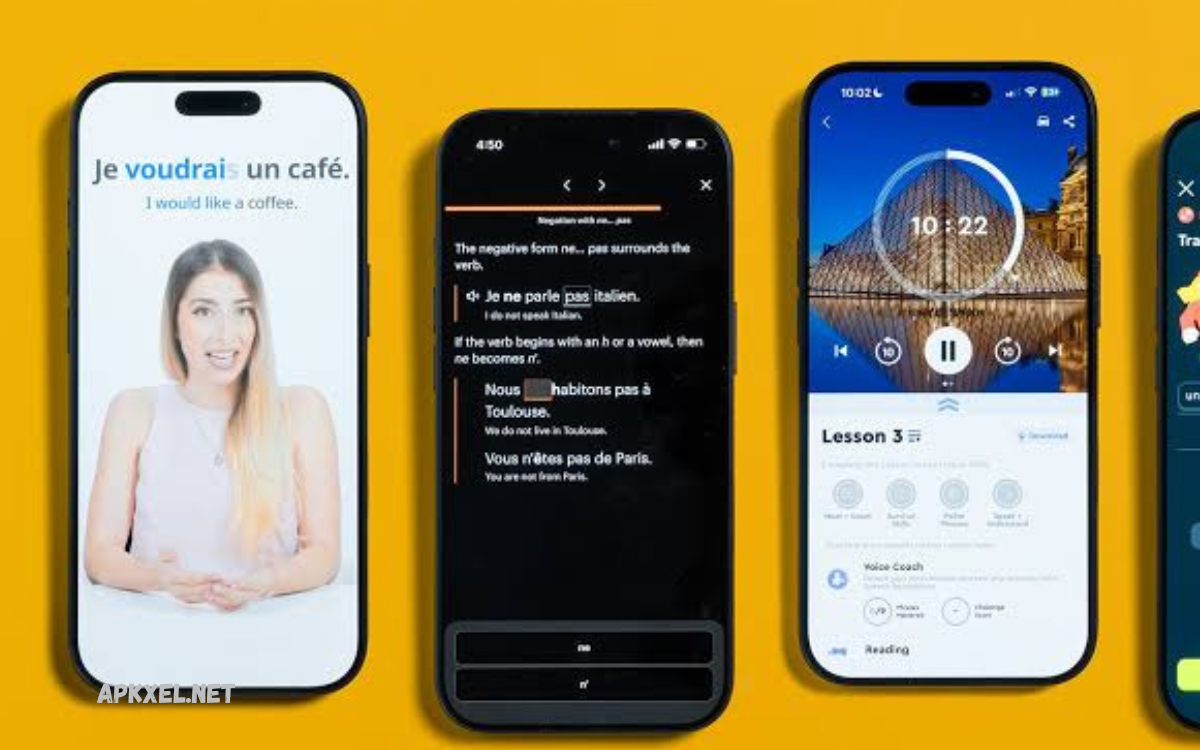
Learning a new language has become easier than ever, thanks to modern technology and innovative mobile applications. Whether you want to improve your English, learn Spanish for travel, master French for business, or explore languages such as German, Japanese, or Korean, language learning apps offer a flexible and convenient way to achieve your goals.
The best language learning apps are designed for beginners, intermediate learners, and advanced speakers alike. Many use artificial intelligence, gamification, and personalized learning paths to keep users motivated and engaged. Features such as speech recognition, spaced repetition, offline lessons, and progress tracking make learning more effective and enjoyable than traditional methods.
Why Use Language Learning Apps?
Traditional language learning often requires fixed schedules, expensive tuition, and classroom attendance. Language learning apps eliminate these barriers by allowing learners to study anytime and anywhere.
Some major benefits include:
- Flexible learning schedules
- Personalized study plans
- Interactive quizzes and exercises
- Speech recognition technology
- Daily reminders and learning streaks
- Affordable subscription options
- Offline lessons for travel
- Progress tracking and performance reports
These features make learning consistent, enjoyable, and effective.
Features to Look for in the Best Language Learning Apps
Before choosing an app, consider these important features.
Interactive Lessons
Interactive exercises improve engagement far more than simply reading textbooks.
Speech Recognition
Pronunciation feedback helps learners sound more natural and confident.
Vocabulary Builder
The best apps introduce useful words gradually using spaced repetition techniques.
Grammar Lessons
Strong grammar foundations improve speaking and writing accuracy.
Listening Practice
Native audio recordings develop listening comprehension and pronunciation.
Offline Learning
Offline access allows studying without an internet connection.
Progress Tracking
Detailed statistics help users monitor improvement and maintain motivation.
Gamification
Rewards, badges, points, and streaks encourage consistent daily practice.
Best Language Learning Apps
Duolingo
Duolingo remains one of the world’s most popular language learning apps.
Key Features
- Free language courses
- Gamified lessons
- Daily practice reminders
- AI-powered exercises
- Multiple language options
- Learning streaks
- Interactive quizzes
Pros
- Beginner-friendly
- Easy interface
- Excellent motivation system
- Large language selection
Cons
- Limited conversational practice
- Advanced grammar coverage is basic
Best for:
Complete beginners who want fun daily practice.
Babbel
Babbel focuses on practical conversations and real-world communication.
Key Features
- Conversation-focused lessons
- Grammar explanations
- Speech recognition
- Professional instructors
- Review sessions
Pros
- High-quality lessons
- Business-friendly vocabulary
- Strong grammar instruction
Cons
- Paid subscription required
- Fewer languages than competitors
Best for:
Adults learning a language for work or travel.
Rosetta Stone
Rosetta Stone has decades of experience in language education.
Features
- Immersive learning
- Native pronunciation
- Speech recognition
- Offline access
- Multiple learning levels
Pros
- Excellent pronunciation training
- Natural language immersion
- Trusted worldwide
Cons
- Higher subscription cost
- Less grammar explanation
Best for:
Learners who prefer immersion without translation.
Busuu
Busuu combines structured lessons with community interaction.
Features
- Personalized study plans
- Native speaker corrections
- Grammar lessons
- Vocabulary practice
- Certificates
Pros
- Community feedback
- Clear learning paths
- Professional lesson structure
Cons
- Premium features require payment
Best for:
Students wanting feedback from native speakers.
Read Also: Best Translation Apps for Fast and Accurate Language Translation
Memrise
Memrise focuses on vocabulary acquisition using real-life videos.
Features
- Native speaker videos
- AI conversations
- Spaced repetition
- Pronunciation practice
- Daily challenges
Pros
- Excellent vocabulary retention
- Authentic accents
- Fun learning environment
Cons
- Grammar lessons are limited
Best for:
Improving vocabulary and listening skills.
Mondly
Mondly uses augmented reality and AI chatbots to create interactive lessons.
Features
- AI conversations
- Speech recognition
- Daily lessons
- Grammar exercises
- Virtual reality options
Pros
- Modern interface
- Interactive learning
- Multiple language support
Cons
- Premium subscription needed for full access
Best for:
Visual learners seeking interactive experiences.
Pimsleur
Pimsleur emphasizes listening and speaking from the very beginning.
Features
- Audio lessons
- Conversation practice
- Pronunciation focus
- Hands-free learning
- Driving mode
Pros
- Excellent speaking practice
- Great pronunciation
- Learn while commuting
Cons
- Limited reading exercises
Best for:
Busy professionals.
HelloTalk
HelloTalk connects learners directly with native speakers.
Features
- Language exchange
- Voice messages
- Video calls
- Text correction
- Community chat
Pros
- Real conversations
- Native speaker feedback
- Cultural exchange
Cons
- Learning quality depends on partners
Best for:
Improving speaking confidence.
LingQ
LingQ teaches languages through authentic reading and listening content.
Features
- Podcasts
- Books
- News articles
- Vocabulary tracking
- Personalized lessons
Pros
- Real-world content
- Excellent reading practice
- Advanced learner support
Cons
- Less beginner-friendly
Best for:
Intermediate and advanced learners.
Drops
Drops specializes in quick vocabulary learning through visual lessons.
Features
- Five-minute sessions
- Beautiful illustrations
- Daily challenges
- Multiple languages
- Gamification
Pros
- Fast learning
- Excellent design
- Easy daily habit
Cons
- Limited grammar instruction
Best for:
Busy learners wanting quick vocabulary improvement.
Free vs Paid Language Learning Apps
Many users wonder whether free apps are enough.
Free Apps
Advantages:
- No cost
- Great for beginners
- Easy to start
- Basic lessons available
Disadvantages:
- Advertisements
- Limited features
- Fewer advanced lessons
Paid Apps
Advantages:
- Complete courses
- Personalized learning
- Offline access
- Better speaking practice
- Premium support
Disadvantages:
- Monthly subscription
- Higher long-term cost
If you’re serious about fluency, a premium subscription often delivers better long-term value.
Tips for Learning Languages Faster
Using the best language learning apps is only part of the process. Consistency matters even more.
To improve quickly:
- Study every day.
- Practice speaking aloud.
- Review vocabulary regularly.
- Watch movies in your target language.
- Listen to podcasts.
- Read simple books.
- Change your phone language.
- Speak with native speakers.
- Keep a vocabulary notebook.
- Don’t fear making mistakes.
Even 20 minutes of daily practice can produce remarkable progress over several months.
Which Language Learning App Is Best?
The answer depends on your goals.
- If you want fun daily lessons, Duolingo is an excellent option.
- If speaking naturally is your priority, Babbel or Pimsleur may suit you better.
- For vocabulary building, Memrise and Drops perform exceptionally well.
- If you want to communicate with native speakers, HelloTalk offers one of the best experiences.
- For immersive learning, Rosetta Stone remains a trusted choice.
There is no universal solution, and many successful learners combine two or three apps for the best results.
Frequently Asked Questions
Which language learning app is best for speaking practice?
Pimsleur, Babbel, and HelloTalk are excellent choices for improving speaking skills. They focus on pronunciation, real-life conversations, and interaction with native speakers.
How much time should I spend learning a language each day?
Studying for 15 to 30 minutes every day is enough to make consistent progress. Regular daily practice is generally more effective than studying for several hours once a week.
What features should I look for in a language learning app?
Look for features such as speech recognition, interactive lessons, vocabulary practice, grammar exercises, offline learning, progress tracking, and personalized study plans.
Which app is best for learning multiple languages?
Duolingo, Mondly, and Memrise support a wide range of languages, making them great choices for learners who want to study multiple languages on a single platform.
Are language learning apps suitable for children?
Yes. Many language learning apps offer beginner-friendly lessons, games, and interactive activities that make learning fun and engaging for children and useful for adults.
Do language learning apps require an internet connection?
Most language learning apps require an internet connection to sync progress and access new lessons. However, many premium versions also offer offline mode, allowing users to continue learning without internet access.
Conclusion
The Best Language Learning Apps have transformed how people learn new languages by making education more flexible, engaging, and accessible than ever before. Whether you’re preparing for international travel, expanding career opportunities, studying abroad, or simply exploring a new culture, the right app can help you achieve your goals more efficiently.
Success depends not only on choosing the right platform but also on maintaining consistent practice.
