

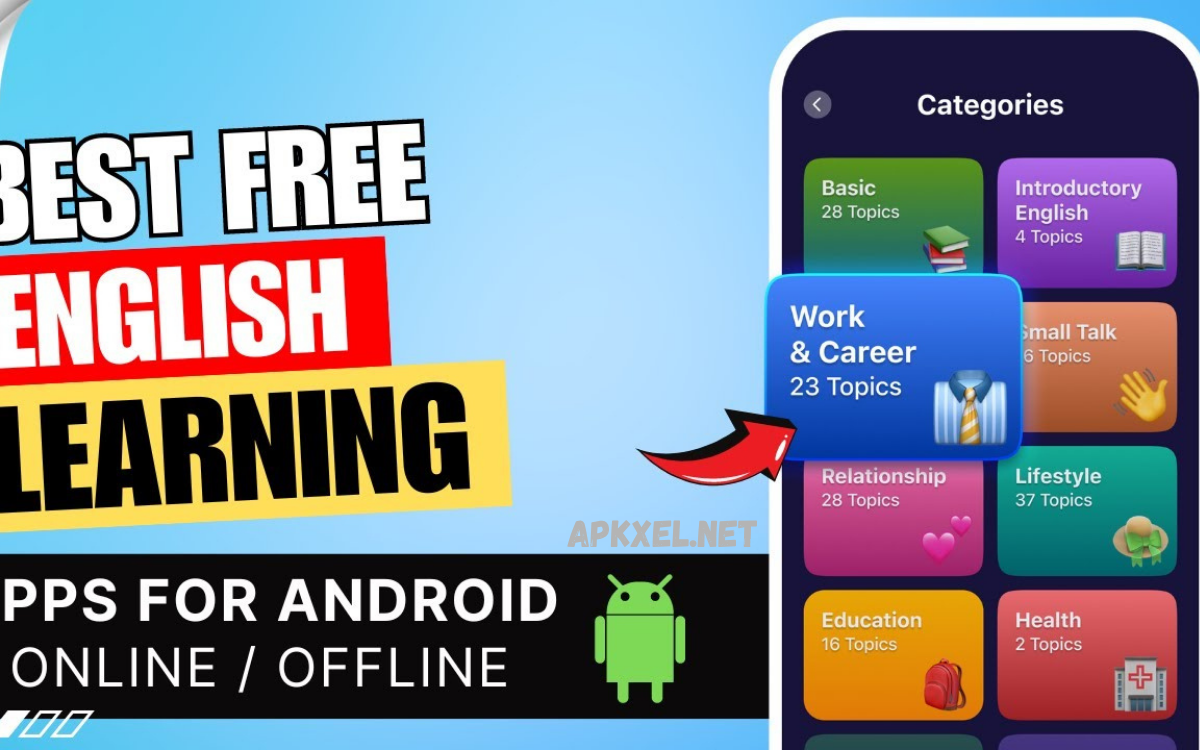
Learning English has become an essential skill in today’s globalized world. Whether you are a student, a working professional, a traveler, or someone preparing for international exams, mastering English opens countless opportunities.
The Best Apps for Learning English provide interactive lessons, vocabulary-building exercises, grammar practice, pronunciation training, speaking activities, and personalized learning paths.
Why Use English Learning Apps?
English learning apps offer several benefits that traditional learning methods often cannot match.
They provide flexibility, allowing learners to study whenever they have free time. Most apps include interactive exercises that make learning enjoyable while tracking progress through personalized reports. Many also feature speech recognition technology to improve pronunciation and confidence.
The biggest advantage of using the Best Apps for Learning English is that they enable consistent practice, which is one of the most important factors in achieving fluency.
1. Duolingo
Duolingo is one of the world’s most popular language-learning platforms. It offers bite-sized lessons that make English learning enjoyable through quizzes, challenges, and rewards.
Key Features
- Interactive lessons
- Daily practice reminders
- Vocabulary exercises
- Grammar training
- Pronunciation practice
- Progress tracking
- Gamified learning experience
Pros
- Free to use
- Beginner-friendly
- Fun interface
- Daily motivation through streaks
Best For
Beginners who want to build basic English vocabulary and grammar.
2. Babbel
Babbel focuses on practical conversations used in everyday life. The lessons are designed by language experts and emphasize real-world communication.
Key Features
- Conversation-based learning
- Grammar explanations
- Speech recognition
- Personalized review sessions
- Short lessons
Pros
- Excellent speaking practice
- High-quality lessons
- Structured curriculum
Best For
Intermediate learners aiming to improve conversational English.
3. Busuu
Busuu combines AI-powered lessons with feedback from native speakers. This creates an effective learning environment for improving writing and speaking skills.
Key Features
- Native speaker corrections
- Grammar lessons
- Vocabulary practice
- Personalized study plans
- Offline mode
Pros
- Community interaction
- Real writing feedback
- Well-organized courses
Best For
Learners seeking feedback from native English speakers.
4. Memrise
Memrise focuses heavily on vocabulary and pronunciation through engaging videos featuring native speakers.
Key Features
- Native speaker videos
- Vocabulary repetition
- Listening practice
- Interactive quizzes
- AI chatbot conversations
Pros
- Excellent pronunciation training
- Practical vocabulary
- Fun learning style
Best For
Students who want to improve their listening and vocabulary.
Read Also: Best Fitness Tracking Apps for Every Lifestyle
5. HelloTalk
HelloTalk is a language exchange app that connects learners with native speakers worldwide.
Key Features
- Voice messages
- Video calls
- Text correction
- Language exchange
- Translation assistance
Pros
- Real-life conversations
- Cultural exchange
- Speaking confidence
Best For
Advanced learners seeking authentic conversations.
6. Cambly
Cambly connects learners directly with native English tutors for one-on-one lessons.
Key Features
- Live tutoring
- Flexible scheduling
- Personalized lessons
- IELTS preparation
- Business English
Pros
- Professional tutors
- Instant speaking practice
- Personalized feedback
Best For
Professionals and exam candidates.
7. BBC Learning English
BBC Learning English offers high-quality educational content designed by experienced English educators.
Key Features
- Grammar lessons
- Vocabulary videos
- Pronunciation practice
- News-based English
- Listening activities
Pros
- Completely free
- Trusted educational source
- Excellent quality
Best For
Intermediate and advanced learners.
8. ELSA Speak
ELSA Speak specializes in pronunciation improvement using artificial intelligence.
Key Features
- AI pronunciation analysis
- Accent correction
- Speaking exercises
- Personalized feedback
- Fluency training
Pros
- Accurate pronunciation assessment
- Easy-to-follow lessons
- Confidence building
Best For
Learners aiming to develop a natural English accent.
9. Rosetta Stone
Rosetta Stone uses immersive learning methods without relying heavily on translation.
Key Features
- Speech recognition
- Interactive lessons
- Listening practice
- Reading exercises
- Structured learning
Pros
- Professional curriculum
- Strong pronunciation focus
- Comprehensive lessons
Best For
Serious learners seeking complete language immersion.
10. Cake
Cake helps learners improve conversational English through short videos from movies, TV shows, and YouTube.
Key Features
- Real-life conversations
- Pronunciation practice
- Listening exercises
- Daily expressions
- Interactive quizzes
Pros
- Modern vocabulary
- Engaging content
- Excellent listening practice
Best For
Young learners and conversational English improvement.
Features to Look for in the Best Apps for Learning English
Choosing the right application depends on your learning goals. The Best Apps for Learning English should include several important features.
Interactive Lessons
Interactive lessons improve engagement and make learning more effective than reading textbooks alone.
Speaking Practice
Speaking regularly helps build confidence and improve pronunciation.
Grammar Exercises
Understanding grammar is essential for constructing correct sentences.
Vocabulary Builder
Daily vocabulary practice expands your ability to communicate effectively.
Listening Activities
Listening to native speakers improves comprehension and pronunciation.
Personalized Learning
Adaptive lessons adjust to your progress and learning speed.
Progress Tracking
Tracking improvements keeps learners motivated and focused.
Benefits of Using English Learning Apps
Using the Best Apps for Learning English provides several long-term advantages.
Learn Anytime
Study whenever your schedule allows without attending physical classes.
Affordable Education
Many applications are free or significantly cheaper than traditional language courses.
Consistent Practice
Daily reminders encourage learners to maintain regular study habits.
Personalized Learning Experience
Artificial intelligence recommends lessons based on strengths and weaknesses.
Improved Confidence
Frequent speaking practice reduces hesitation and improves fluency.
Tips for Learning English Faster
To maximize results from the Best Apps for Learning English, follow these practical tips.
Study every day, even if only for fifteen minutes.
Practice speaking aloud instead of silently reading.
Watch English movies with subtitles.
Read English books, newspapers, and blogs regularly.
Listen to English podcasts while commuting.
Keep a vocabulary notebook.
Write short paragraphs daily.
Speak with native speakers whenever possible.
Review previous lessons frequently.
Stay patient and consistent.
Choosing the Right English Learning App
Different learners have different goals.
If you want free learning, Duolingo and BBC Learning English are excellent options.
For speaking practice, Cambly and HelloTalk provide real conversations.
If pronunciation is your priority, ELSA Speak delivers outstanding AI-powered coaching.
For structured learning, Babbel and Rosetta Stone offer professionally designed courses.
Vocabulary enthusiasts will benefit from Memrise, while Cake is ideal for improving conversational English through real-world examples.
Common Mistakes to Avoid
Many learners make mistakes that slow their progress.
Avoid skipping daily practice.
Do not focus only on grammar.
Practice speaking regularly.
Learn vocabulary in context rather than memorizing isolated words.
Avoid translating every sentence into your native language.
Listen to authentic English content frequently.
Be patient, as fluency takes time and consistent effort.
Frequently Asked Questions
What is the best app for learning English?
The best app for learning English depends on your learning goals. Some apps focus on grammar and vocabulary, while others emphasize speaking, pronunciation, or real-life conversations.
Can I learn English fluently using mobile apps?
Yes, you can significantly improve your English skills with mobile apps if you practice consistently. Combining app-based learning with speaking, reading, listening, and writing activities produces the best results.
Are English learning apps free?
Many English learning apps offer free versions with essential features. Some also provide premium subscriptions that unlock advanced lessons, personalized learning plans, and additional practice materials.
Which app is best for improving English speaking skills?
Apps that include live conversations, speech recognition, and pronunciation feedback are ideal for improving speaking skills. They help learners build confidence and communicate more naturally.
How much time should I spend learning English each day?
Practicing English for 15 to 30 minutes every day is generally more effective than studying for several hours only once a week. Consistency is the key to long-term improvement.
Can beginners use English learning apps?
Yes, most English learning apps are designed for learners of all levels. Beginners can start with basic vocabulary, grammar, and simple conversations before progressing to more advanced lessons.
Do English learning apps help improve pronunciation?
Many modern apps use artificial intelligence and speech recognition technology to evaluate pronunciation and provide instant feedback, helping learners speak more clearly and accurately.
Which app is best for learning English vocabulary?
Several apps specialize in vocabulary building through flashcards, quizzes, spaced repetition, and interactive exercises that make new words easier to remember.
Conclusion
Choosing the Best Apps for Learning English depends on your learning objectives, experience level, and preferred study style. Whether your goal is to improve grammar, expand vocabulary, enhance pronunciation, or speak confidently with native speakers, there is an app designed to meet your needs.
Technology has made language learning easier, more interactive, and more accessible than ever before. By combining the right app with consistent daily practice, learners can achieve significant improvements in reading, writing, listening, and speaking skills.
