

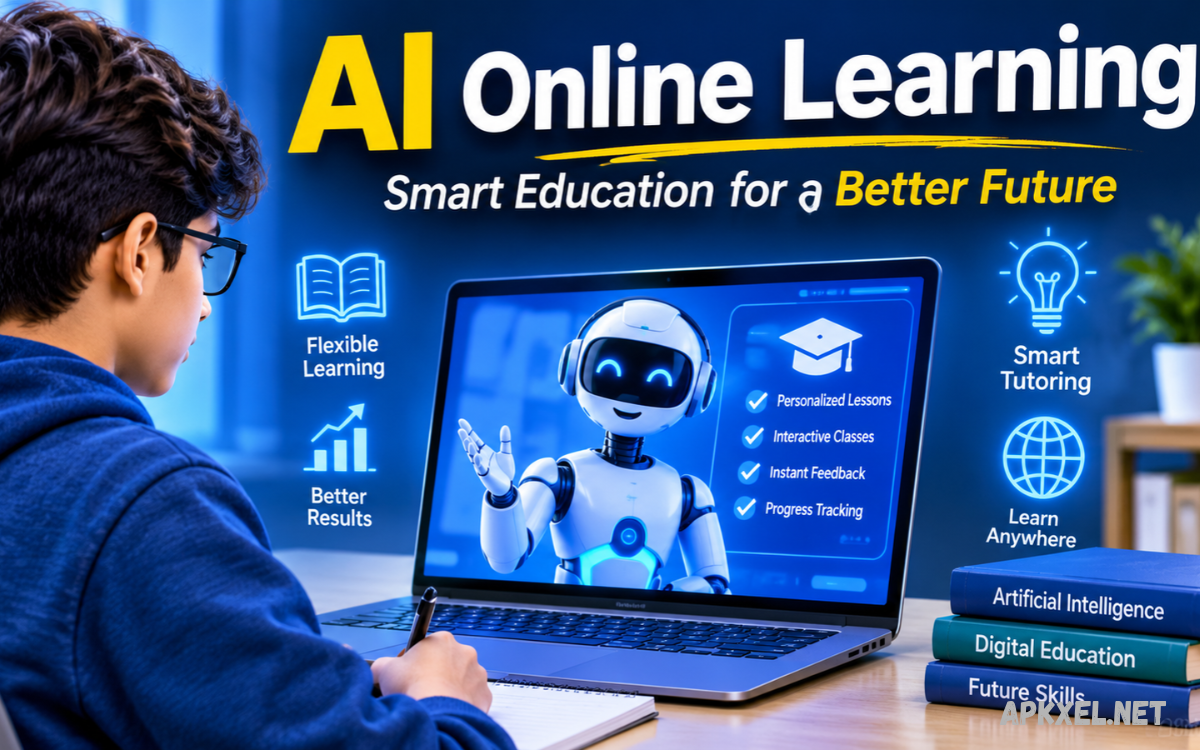
AI online learning is transforming modern education through intelligent technology, personalized lessons, and interactive digital classrooms. Students can access learning materials, improve knowledge, and develop valuable skills through AI-powered educational platforms.
Artificial intelligence makes online education more flexible, accessible, and efficient. From personalized study plans to automated feedback, AI online learning helps students understand complex subjects and achieve better academic progress.
What Is AI Online Learning?
AI online learning refers to digital education supported by artificial intelligence technologies. These systems analyze learning patterns, recommend educational materials, and provide personalized experiences according to individual student needs.
Traditional online education delivers similar lessons to different learners, while AI-powered education adapts content according to progress. This approach creates flexible learning experiences and helps students focus on areas requiring improvement.
How Artificial Intelligence Works in Online Education
Artificial intelligence uses machine learning, natural language processing, and data analysis to improve digital education. These technologies examine student interactions and identify learning patterns that support personalized educational experiences.
AI-powered systems can recommend lessons, generate practice questions, and provide instant feedback. Students receive performance-based suggestions that help them understand difficult concepts and build academic confidence.
Benefits of AI Online Learning
AI online learning offers several advantages for students, teachers, and educational institutions. Personalized education, flexible schedules, automated assessments, and interactive learning experiences make digital education more effective.
Students can study at their preferred pace without following a fixed classroom schedule. AI-powered educational tools also help learners identify weaknesses, strengthen knowledge, and develop independent study habits.
Personalized Learning Experiences
Personalized learning is one of the most valuable features of artificial intelligence in education. AI systems review individual performance and recommend lessons based on learning pace, interests, and educational goals.
Students receive customized study materials instead of following identical learning paths. This approach improves understanding, supports different learning styles, and creates more meaningful educational experiences.
AI Tutors and Virtual Learning Assistants
AI tutors provide educational support through intelligent conversations and personalized explanations. Students can ask questions, review difficult topics, and receive guidance without waiting for traditional classroom assistance.
Virtual learning assistants can explain concepts, summarize educational materials, and generate practice exercises. These tools support independent learning and help students organize their daily study activities.
AI-Powered Online Courses
AI-powered online courses combine digital lessons with intelligent educational features. These courses can recommend suitable learning materials, monitor progress, and adjust lesson difficulty according to student performance.
Students can explore subjects through interactive exercises, recorded lessons, and personalized assessments. This combination creates flexible learning opportunities for beginners and advanced learners.
Adaptive Learning Technology
Adaptive learning technology changes educational content according to individual performance. When students understand a topic quickly, the system can introduce more advanced lessons and challenging exercises.
When learners experience difficulties, AI systems can recommend additional explanations and practice activities. This approach creates balanced learning experiences and supports continuous academic development.
AI in Online Language Learning
Artificial intelligence makes language learning more interactive through pronunciation analysis, vocabulary exercises, and intelligent conversation practice. Students can improve communication skills through personalized language activities.
AI-powered language tools can identify pronunciation mistakes and suggest improvements. Learners can practice grammar, reading, listening, and speaking skills through flexible digital learning environments.
AI for Mathematics and Science Education
Mathematics and science subjects often require detailed explanations and repeated practice. AI educational systems can simplify complex concepts through step-by-step guidance and personalized exercises.
Students can explore mathematical problems, scientific theories, and practical examples through interactive lessons. AI-powered explanations help learners understand challenging topics and improve problem-solving abilities.
AI Online Learning for School Students
School students can benefit from AI-powered educational resources that support classroom learning. Personalized exercises, intelligent quizzes, and digital tutors make different subjects easier to understand.
AI tools can help students organize assignments, review lessons, and prepare for examinations. However, teachers and parents should guide students toward responsible and productive technology use.
AI Online Learning for University Students
University students require advanced educational resources, research skills, and independent study opportunities. AI online learning supports these needs through intelligent study assistants and personalized educational recommendations.
Students can use AI tools to understand difficult concepts, organize notes, and review academic subjects. Responsible use of artificial intelligence can improve learning efficiency and support academic development.
AI Learning for Professional Skills
Artificial intelligence supports professional development through flexible courses and practical learning activities. Individuals can explore technology, communication, business, programming, and other career-related subjects.
AI-powered learning systems can recommend courses according to professional interests and existing knowledge. This flexibility helps individuals develop relevant skills and prepare for changing workplace requirements.
AI-Powered Educational Assessments
AI-powered assessments help evaluate student knowledge through automated quizzes and intelligent testing systems. These tools can analyze answers, identify mistakes, and provide immediate feedback.
Students can understand their progress without waiting for lengthy manual assessments. Teachers can also use assessment insights to identify learning difficulties and improve instructional strategies.
AI in Online Classrooms
AI technology is changing online classrooms through intelligent communication tools and automated educational support. Digital classrooms can provide personalized resources, interactive activities, and organized learning experiences.
Teachers can use AI assistance to prepare educational materials and monitor classroom participation. These technologies support teaching activities while allowing educators to focus on student development.
Popular Features of AI Online Learning Platforms
Modern AI learning platforms include several features designed to improve digital education. Common examples include personalized recommendations, automated assessments, intelligent tutoring, and progress tracking.
Other useful features include speech recognition, language translation, content summarization, and interactive exercises. Together, these technologies create flexible learning environments that meet different educational needs.
Read Also: Android Movie Apps: Top Apps for Watching Movies on Android
AI Online Learning for Remote Education
Remote education allows students to access learning opportunities without attending physical classrooms. Artificial intelligence improves this experience through personalized educational support and intelligent digital resources.
Students in different locations can access educational materials on their schedules. AI-powered tools also help remote learners receive explanations and feedback during independent study sessions.
How AI Improves Student Productivity
AI tools can improve student productivity by organizing educational tasks and simplifying repetitive activities. Students can generate study schedules, summarize notes, and create practice questions.
These features help learners manage educational responsibilities more effectively. However, students should actively understand their subjects instead of depending entirely on automated assistance.
AI Online Learning and Accessibility
Artificial intelligence can make digital education more accessible for learners with different requirements. Speech recognition, text-to-speech features, automatic captions, and translation tools support diverse learning needs.
These technologies can reduce communication barriers and improve access to educational materials. Accessible learning environments create more opportunities for individuals to participate in digital education.
Challenges of AI Online Learning
Despite its advantages, AI online learning also presents several challenges. Data privacy, inaccurate information, technology costs, internet accessibility, and excessive dependence on automated systems require careful attention.
Students should verify important information and use trusted educational resources. Teachers and institutions must also establish responsible guidelines for using artificial intelligence in learning environments.
Data Privacy and Security in AI Education
AI educational platforms may process personal information, learning activities, and academic performance records. Protecting this information is essential for maintaining safe digital learning environments.
Students should understand privacy settings and avoid sharing unnecessary personal information. Educational institutions should select secure platforms and establish clear data protection policies.
AI Online Learning vs Traditional Education
Traditional education provides direct communication, classroom interaction, and structured teaching environments. AI online learning offers flexible schedules, personalized recommendations, and digital educational assistance.
Both approaches provide valuable learning opportunities. Combining classroom instruction with responsible AI technology can create balanced educational experiences and support different student needs.
Future of AI Online Learning
The future of AI online learning will likely include more advanced personalized education and intelligent digital classrooms. Improvements in machine learning and natural language processing may create more interactive educational experiences.
AI-powered tutors, adaptive assessments, and multilingual learning tools could become increasingly common. These developments may help educational institutions provide flexible learning opportunities for different communities.
Tips for Getting Started With AI Online Learning
Students should begin by identifying educational goals and selecting subjects they want to understand. Choosing suitable learning platforms and creating a consistent study schedule can improve learning progress.
AI tools should support independent thinking rather than replace personal effort. Reviewing lessons, practicing regularly, and checking information accuracy can create stronger educational habits.
Best Practices for Responsible AI Learning
Responsible AI learning requires critical thinking, information verification, and balanced technology use. Students should understand educational concepts instead of simply copying automatically generated answers.
Teachers can encourage ethical technology use through clear instructions and practical assignments. These practices help learners develop independent skills and use artificial intelligence productively.
Frequently Asked Questions
What Is AI Online Learning?
AI online learning uses artificial intelligence to improve digital education through personalized lessons, intelligent tutoring, automated assessments, and adaptive educational experiences.
How Does AI Improve Online Education?
AI improves online education through customized recommendations, instant feedback, interactive exercises, and learning progress analysis.
Is AI Online Learning Suitable for Beginners?
Yes, beginners can use AI-powered educational tools to understand basic concepts, practice new skills, and follow personalized learning paths.
Can AI Replace Traditional Teachers?
AI can support educational activities, but human teachers remain important for guidance, communication, critical thinking, and emotional support.
What Are the Main Benefits of AI Online Learning?
Major benefits include flexible schedules, personalized education, instant feedback, interactive lessons, and improved access to educational resources.
Can Students Use AI for Exam Preparation?
Students can use AI tools to create practice questions, review important topics, summarize lessons, and identify knowledge gaps.
Is AI Online Learning Useful for University Students?
Yes, university students can use AI learning tools for subject explanations, study organization, research assistance, and academic skill development.
Does AI Online Learning Require Advanced Technical Skills?
No, many AI-powered educational platforms offer simple interfaces that beginners can understand without advanced technical knowledge.
What Are the Challenges of AI Online Learning?
Common challenges include privacy concerns, inaccurate information, limited internet access, technology costs, and overreliance on automated tools.
What Is the Future of AI Online Learning?
The future may include advanced virtual tutors, adaptive educational systems, intelligent assessments, and more personalized digital classrooms.
Conclusion
AI online learning is creating new opportunities for students, teachers, and professionals through personalized education and intelligent digital technologies. Flexible lessons, automated feedback, and adaptive learning features make modern education more accessible.
Artificial intelligence cannot replace every aspect of human teaching, but it can provide valuable educational support. Responsible technology use, effective teaching methods, and active student participation will shape the future of digital learning.
