

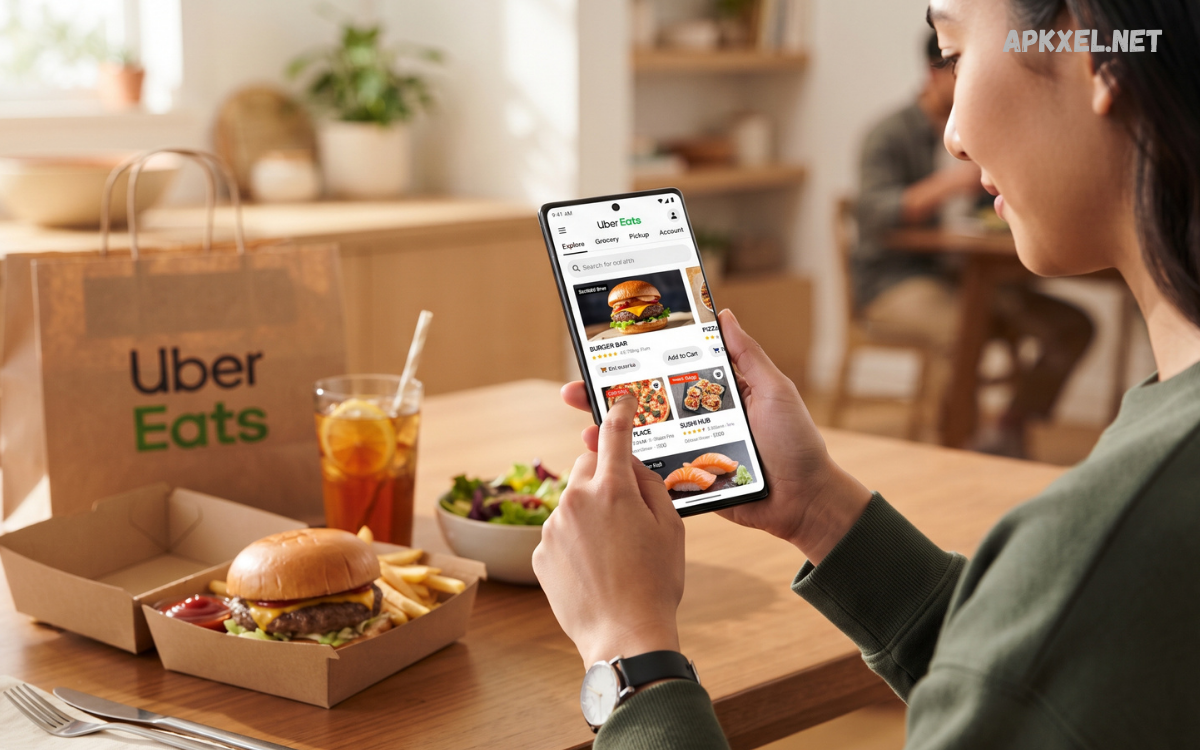
Food has become easier to discover, order, prepare, and manage thanks to modern smartphone technology. Android food apps have transformed the way people interact with restaurants, grocery stores, recipes, meal plans, and nutrition services.
The growing popularity of food delivery services, digital payments, online grocery shopping, recipe platforms, and health-focused applications has created a large ecosystem of Android food apps. These applications serve different purposes, from ordering a quick meal to discovering new recipes or monitoring daily nutrition.
What Are Android Food Apps?
Android food apps are mobile applications designed to help users manage different food-related activities through Android devices. These apps can include restaurant delivery platforms, takeaway applications, recipe services, grocery shopping apps, food discovery platforms, nutrition trackers, and meal-planning tools.
A typical food application may allow users to browse restaurants, view menus, compare prices, place orders, select delivery options, and make digital payments. Recipe applications may provide cooking instructions, ingredient lists, preparation times, and personalized meal recommendations.
Why Android Food Apps Are Becoming Popular
The convenience offered by food applications is one of the biggest reasons for their popularity. Users can explore restaurants and order meals from almost anywhere without making phone calls or visiting multiple websites.
Another major advantage is time savings. A food delivery app can remember previous orders, save favorite restaurants, and provide personalized recommendations. This makes repeat purchases much faster.
Best Features to Look for in Android Food Apps
Not every food application offers the same experience. Before installing an app, users should consider its features, reliability, security, and overall usability.
Easy Restaurant Discovery
A good application should make it simple to find restaurants based on cuisine, location, ratings, price, and availability. Effective search and filtering tools can significantly improve the experience.
Detailed Menus
Detailed menus help customers understand what they are ordering. Useful menu information can include ingredients, portion descriptions, prices, images, customization options, and dietary information.
Real-Time Order Tracking
Order tracking allows customers to monitor their delivery after placing an order. Real-time updates can show when an order is confirmed, prepared, collected, and delivered.
Secure Payments
Security should be a priority when using food applications. Look for apps that provide trusted payment methods and appropriate security measures to protect account and payment information.
Personalized Recommendations
Modern applications increasingly use personalization to recommend restaurants, dishes, recipes, and meals based on previous activity. These recommendations can make food discovery more convenient.
Reviews and Ratings
Customer reviews can help users make better decisions. Ratings and written feedback provide useful information about food quality, service, delivery speed, and overall customer satisfaction.
Android Food Apps for Restaurant Delivery
Restaurant delivery applications are among the most widely used food apps. They connect customers with restaurants and provide a convenient way to browse menus and order meals.
Users can generally search for specific cuisines, compare restaurants, review menus, select dishes, customize orders, and choose delivery options. Many platforms also provide promotional offers and loyalty programs.
Android Food Apps for Recipe Discovery
Recipe applications are valuable for people who prefer cooking at home. These apps provide thousands of meal ideas covering different cuisines, ingredients, cooking styles, and skill levels.
Users can search for recipes based on available ingredients, dietary preferences, cooking time, or meal type. Many recipe apps also include step-by-step instructions and cooking videos.
Android Food Apps for Grocery Shopping
Grocery applications make it possible to purchase ingredients and household food products through a smartphone. Users can browse digital catalogs, create shopping carts, select delivery slots, and monitor orders.
These apps can be especially useful for people with busy schedules. Digital shopping also makes it easier to compare products and prices before making a purchase.
Read Also: Android Travel Guides: The Complete Guide to Planning Better Trips in 2026
Android Food Apps for Nutrition and Meal Tracking
Food technology is not limited to ordering and recipes. Nutrition applications help users understand their food choices and organize meals.
Many nutrition apps allow users to record meals, track nutritional information, monitor water consumption, and maintain food diaries. Some applications also provide meal suggestions based on individual preferences.
Android Food Apps and Artificial Intelligence
Artificial intelligence is becoming an important part of modern food applications. AI can analyze user preferences and provide personalized recommendations for restaurants, recipes, and meals.
For example, an application may recommend dishes based on previous orders or suggest recipes using ingredients already available at home. AI-powered search can also make it easier to find relevant food options using natural language.
Benefits of Using Android Food Apps
There are several advantages to using Android food applications.
Convenience: Users can access food services directly from their smartphones without visiting physical locations.
Time Savings: Ordering, grocery shopping, and recipe discovery can be completed quickly through a single application.
Greater Choice: Food apps provide access to numerous restaurants, cuisines, recipes, and grocery products.
Price Comparison: Users can compare menu prices, delivery fees, discounts, and available offers.
Personalization: Applications can recommend food based on previous activity and preferences.
Order Tracking: Delivery applications can provide updates throughout the ordering process.
Digital Payments: Secure electronic payment options make transactions faster and more convenient.
How to Choose the Right Android Food App
Choosing the right application depends on your specific requirements. Someone who frequently orders restaurant meals may prioritize delivery speed and restaurant selection, while a home cook may prefer an application with extensive recipes.
Start by checking the app’s ratings and reviews on the official Android app marketplace. Pay attention to recent reviews because they can provide a better indication of the current user experience.
Tips for Getting Better Results From Food Apps
To get the most value from Android food apps, keep your account information updated and save your preferred restaurants or recipes when the application supports these features.
Compare prices before ordering, especially when multiple delivery services are available. Remember to consider delivery charges and additional fees instead of looking only at the advertised meal price.
Privacy and Security Considerations
Food applications often collect information such as names, phone numbers, addresses, payment details, location information, and order history. Users should therefore take privacy and security seriously.
Only download applications from trusted sources and keep them updated. Use strong, unique passwords and enable additional account security features when available.
The Future of Android Food Apps
The future of food applications is likely to focus on personalization, automation, convenience, and smarter technology. Artificial intelligence can make recommendations more relevant, while improved location services can provide more accurate delivery information.
Recipe platforms may become more personalized by generating meal suggestions based on ingredients, preferences, and cooking time. Grocery apps could also become more intelligent by helping users automatically organize shopping lists.
Frequently Asked Questions
What are Android food apps?
Android food apps are mobile applications that help users order food, discover restaurants, find recipes, purchase groceries, or manage nutrition through Android smartphones.
Are Android food apps free?
Many food applications are free to download, although some services may charge delivery fees, service charges, subscription costs, or other transaction fees.
Can I order restaurant food through Android apps?
Yes. Many food delivery applications allow users to browse restaurant menus, customize meals, place orders, make payments, and track deliveries.
Are food delivery apps safe to use?
Reputable food delivery applications generally use security measures to protect users, but customers should still use official apps, secure payment methods, and strong account credentials.
Can Android food apps help with cooking?
Yes. Recipe and cooking applications provide meal ideas, ingredients, instructions, cooking times, and sometimes step-by-step videos.
Can I use Android food apps for grocery shopping?
Yes. Many grocery applications allow users to browse products, create shopping carts, place orders, and receive groceries through delivery services.
Do food apps provide personalized recommendations?
Many modern food apps use user activity and preferences to recommend restaurants, dishes, recipes, or products that may be relevant to individual users.
What should I check before installing a food app?
Check the app’s reviews, developer information, permissions, privacy practices, features, and download source before installing it.
Do Android food apps support digital payments?
Many applications support cards, mobile wallets, and other electronic payment methods, although available options vary by service and region.
Are Android food apps useful in 2026?
Yes. With improved personalization, digital payments, real-time tracking, AI-powered recommendations, and broader food services, Android food apps remain useful tools for modern consumers.
Concluison
Android food apps have made food-related tasks more convenient than ever. From ordering restaurant meals and buying groceries to discovering recipes and tracking nutrition, there is an application for almost every food-related need.
The best app depends on your personal requirements, preferred features, location, and budget. Before installing an application, consider its reputation, reviews, security practices, available features, and overall usability.
