

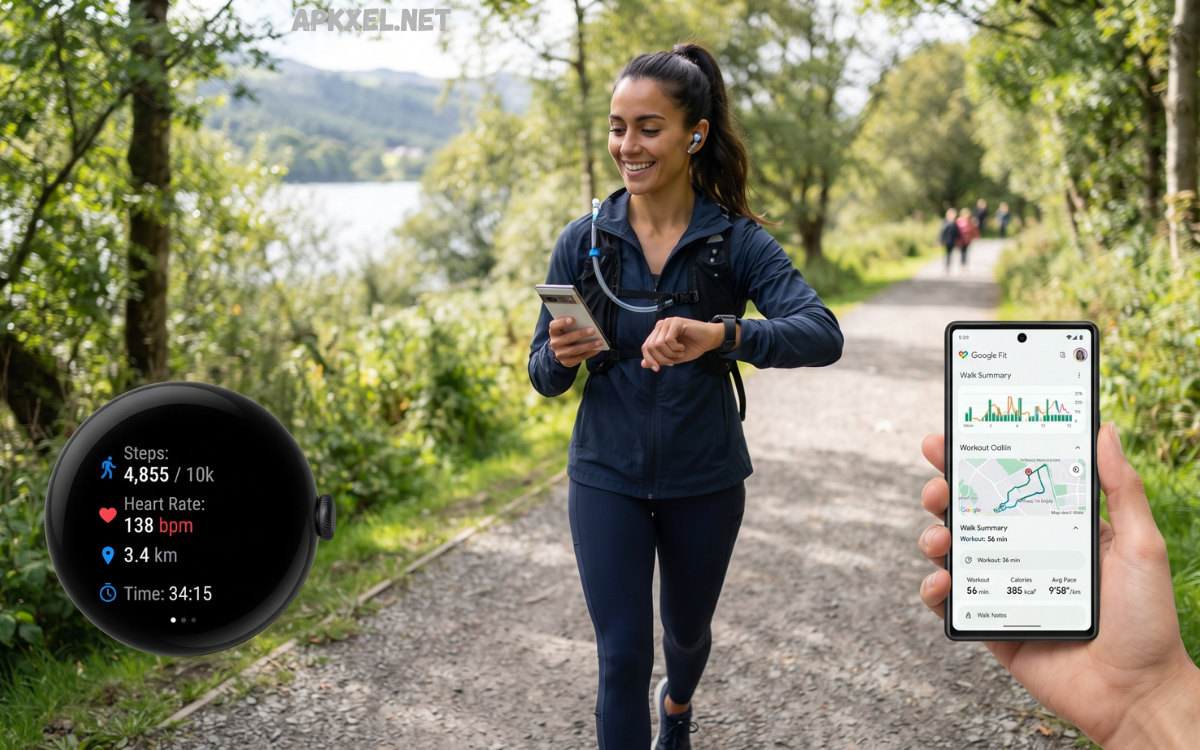
Health technology continues transforming daily life, making smartphones valuable wellness companions instead of simple communication devices. Modern Android devices combine advanced sensors, artificial intelligence, cloud synchronization, wearable integration, and powerful applications to monitor physical activity, heart health, sleep quality, nutrition, hydration, stress levels, and overall fitness.
This Android Health Tracker: Complete Guide (2026) explains everything professionals, fitness enthusiasts, healthcare providers, and everyday Android users should know about health tracking. From essential features and supported devices to privacy practices, AI-powered health analysis, wearable compatibility, and practical optimization tips, this guide provides comprehensive information for maximizing every aspect of Android health monitoring.
What Is an Android Health Tracker?
An Android health tracker combines smartphone hardware, wearable devices, and specialized applications to collect, analyze, and organize health-related information. These systems transform raw sensor data into meaningful reports that help users understand activity levels, exercise performance, recovery, nutrition, and long-term wellness trends.
Instead of recording information manually, modern Android health trackers automatically monitor walking distance, calories burned, sleep cycles, heart rate, blood oxygen, stress indicators, workout intensity, hydration reminders, menstrual cycles, and body composition when compatible devices support these features.
Why Android Health Tracking Matters in 2026
Digital healthcare has become increasingly data-driven. Android smartphones now integrate with smartwatches, fitness bands, smart scales, glucose monitors, ECG-enabled wearables, and connected medical devices, creating a unified health ecosystem.
Organizations, healthcare professionals, athletes, and wellness coaches also benefit from health tracking because accurate historical data supports informed decisions. Daily reports encourage consistency, improve accountability, and help users set realistic health goals based on measurable progress rather than assumptions.
Core Features of Android Health Trackers
Modern Android health trackers include an extensive collection of monitoring capabilities designed for different lifestyles and fitness objectives. Advanced machine learning enhances these features by providing deeper insights rather than simple numerical reports.
Popular features include:
- Step counting
- Distance tracking
- Calorie estimation
- Sleep analysis
- Heart rate monitoring
- Blood oxygen measurement
- Stress tracking
- Workout recognition
- Water intake reminders
- Weight management
- Nutrition logging
- Medication reminders
- Menstrual cycle tracking
- AI wellness recommendations
- Goal setting
- Progress reports
- Health dashboards
- Wearable synchronization
- Emergency health information
- Activity history
These features work together to create a complete health profile that evolves with daily habits and lifestyle changes.
How Android Health Tracking Works
Android smartphones collect information through multiple sensors, including accelerometers, gyroscopes, GPS, microphones, cameras, and compatible wearable devices. Applications process sensor information using AI models that can automatically recognize walking, running, cycling, sleeping, and other activities.
Cloud synchronization stores historical records across multiple devices while maintaining continuous updates. Many applications combine smartphone data with smartwatch sensors for greater measurement accuracy, especially during workouts, sleep monitoring, and heart rate analysis.
AI-Powered Health Insights
Artificial intelligence represents one of the biggest improvements in Android health tracking throughout 2026. Rather than displaying isolated numbers, AI evaluates trends across weeks and months, identifying meaningful changes that might otherwise remain unnoticed.
Smart recommendations include exercise scheduling, recovery guidance, hydration reminders, sleep optimization, nutrition suggestions, stress reduction techniques, and personalized activity goals. Predictive analytics also help users recognize declining activity patterns before they affect overall health.
Activity Tracking
Physical activity remains the foundation of every Android health tracker. Daily movement contributes significantly to cardiovascular health, weight management, energy levels, and overall wellness. Modern applications recognize multiple movement patterns automatically without requiring manual workout selection.
Walking, jogging, hiking, cycling, swimming, strength training, yoga, rowing, dancing, and high-intensity interval training receive detailed summaries, allowing users to compare performance over time. GPS mapping further improves outdoor activity analysis through route visualization and pace measurements.
Heart Health Monitoring
Heart monitoring has become increasingly sophisticated across Android-compatible devices. Supported wearables continuously measure heart rate throughout the day, during workouts, and while sleeping. Resting heart rate, recovery trends, and exercise intensity provide valuable indicators of cardiovascular fitness.
Some premium wearable devices also include ECG functionality, irregular rhythm notifications, and advanced cardiovascular assessments. Although these features support wellness monitoring, they should complement professional medical evaluation instead of replacing healthcare advice.
Sleep Tracking
Quality sleep directly affects productivity, recovery, mood, cognitive performance, and immune function. Android health trackers analyze sleep duration, consistency, interruptions, movement, breathing patterns, and recovery quality using wearable sensors and smartphone technology.
Detailed sleep reports help users understand bedtime habits, identify sleep deficiencies, and develop healthier nighttime routines. Personalized recommendations encourage consistent schedules that improve long-term recovery and daily performance.
Stress and Mental Wellness
Mental wellness receives greater attention within Android health platforms than ever before. Wearables estimate stress levels through heart rate variability, breathing patterns, activity intensity, and physiological changes. Guided breathing sessions and mindfulness exercises help users manage daily pressure more effectively.
Mood tracking features allow users to record emotional states alongside physical health metrics. Combining physical and mental wellness creates a more complete understanding of overall health and supports sustainable lifestyle improvements.
Nutrition Tracking
Nutrition applications connected to Android health ecosystems simplify food logging through barcode scanning, meal recognition, and extensive food databases. Users monitor calorie intake, protein, carbohydrates, healthy fats, fiber, vitamins, minerals, and hydration levels.
Meal planning recommendations help individuals achieve objectives such as weight loss, muscle growth, endurance improvement, or healthier eating habits. AI-based suggestions also identify nutritional deficiencies based on recorded eating patterns.
Read Also: Best Calendar Apps for Enhanced Productivity
Wearable Device Integration
Android health tracking reaches maximum potential when paired with wearable devices. Smartwatches and fitness bands collect continuous physiological information unavailable through smartphones alone.
Popular compatible devices include:
- Google Pixel Watch
- Samsung Galaxy Watch
- Fitbit devices
- Garmin watches
- Amazfit smartwatches
- Xiaomi Smart Band
- Huawei Watch series
- Polar fitness watches
- Suunto sports watches
These devices synchronize automatically, creating comprehensive health records across multiple platforms.
Privacy and Data Security
Health information represents highly sensitive personal data. Android health applications increasingly implement encryption, secure authentication, biometric verification, and permission management to protect user privacy.
Users should review application permissions regularly, enable two-factor authentication where available, update software frequently, and download applications only from trusted sources. Responsible data management reduces security risks while maintaining convenient synchronization across devices.
Benefits for Professionals
Busy professionals often struggle maintaining healthy routines because demanding schedules reduce available exercise and recovery time. Android health trackers provide reminders that encourage movement, hydration, scheduled breaks, and consistent sleep.
Performance analytics help professionals understand how stress, travel, workload, and irregular schedules influence physical wellbeing. Better awareness supports healthier decisions without requiring complex manual record keeping.
Benefits for Athletes
Competitive athletes require precise measurements for training optimization and recovery management. Android health platforms support advanced workout analytics, recovery monitoring, heart rate zones, performance comparisons, and long-term conditioning evaluation.
Training history enables coaches and athletes to identify strengths, monitor improvement, prevent overtraining, and prepare more effective workout programs based on measurable performance data.
Common Challenges
Despite significant technological improvements, Android health tracking still presents several limitations. Sensor accuracy varies between devices, battery life influences continuous monitoring, and certain measurements require compatible hardware for reliable results.
Environmental conditions, incorrect wearable positioning, software updates, and inconsistent usage also influence measurement quality. Understanding these limitations helps users interpret health reports realistically rather than expecting laboratory-level precision.
Tips for Getting Accurate Results
Users can improve tracking accuracy by following several best practices consistently.
- Wear compatible devices correctly.
- Keep applications updated.
- Enable required permissions.
- Maintain Bluetooth connectivity.
- Charge wearable devices regularly.
- Record workouts consistently.
- Sync health data frequently.
- Review privacy settings.
- Update personal information.
- Follow realistic health goals.
Small improvements in daily habits significantly enhance long-term health analytics and reporting accuracy.
Future of Android Health Tracking
The future of Android health tracking extends beyond traditional fitness monitoring. AI-driven diagnostics, predictive wellness analysis, digital biomarkers, remote patient monitoring, personalized preventive healthcare, and advanced wearable sensors continue expanding rapidly.
Future Android devices may include non-invasive glucose monitoring, improved blood pressure estimation, advanced respiratory tracking, emotional wellness analysis, nutritional recommendations based on metabolic patterns, and deeper healthcare integration supporting medical professionals worldwide.
Frequently Asked Questions
What is an Android Health Tracker?
An Android Health Tracker is a mobile application or system that monitors health and fitness data such as steps, heart rate, sleep, calories burned, workouts, and overall wellness using an Android smartphone or compatible wearable devices.
Do Android health trackers work without a smartwatch?
Yes. Most Android health tracker apps can count steps, estimate calories, track walking distance, and record activities using your smartphone. A smartwatch provides additional health metrics like heart rate, blood oxygen, and sleep monitoring.
Are Android health tracker apps accurate?
Most modern health tracker apps provide reliable estimates for daily fitness and wellness activities. Accuracy improves when paired with compatible wearable devices and when personal information is entered correctly.
Which health metrics can Android health trackers monitor?
Depending on the device and application, Android health trackers can monitor steps, heart rate, sleep quality, calories burned, blood oxygen, stress levels, workouts, hydration, weight, and activity history.
Are Android health tracker apps free?
Many Android health tracker apps offer free versions with essential features. Premium subscriptions usually unlock advanced analytics, personalized coaching, detailed reports, and additional health insights.
Is my health data secure on Android?
Reputable Android health applications use encryption, secure cloud storage, and privacy controls to protect personal health information. Users should also enable strong passwords and keep apps updated.
Can Android health trackers help with weight loss?
Yes. Health trackers help users monitor daily activity, calorie expenditure, exercise routines, and nutrition, making it easier to achieve healthy weight management goals.
Which wearable devices are compatible with Android health trackers?
Many Android health trackers support devices such as Google Pixel Watch, Samsung Galaxy Watch, Fitbit, Garmin, Amazfit, Xiaomi Smart Band, and several other fitness wearables.
Can Android health trackers replace medical devices?
No. Android health trackers are designed for wellness and fitness monitoring. They should not replace professional medical equipment or advice from qualified healthcare providers.
Why should I use an Android health tracker in 2026?
Modern Android health trackers provide AI-powered insights, comprehensive wellness monitoring, wearable integration, and detailed progress reports that help users build healthier habits and maintain long-term fitness goals.
Conclusion
The Android Health Tracker: Complete Guide (2026) demonstrates how Android smartphones have evolved into comprehensive health management platforms that support users at every stage of their wellness journey.
Whether improving fitness, enhancing productivity, managing stress, monitoring heart health, optimizing sleep, or supporting long-term wellness goals, Android health trackers deliver valuable insights that promote healthier habits.
