

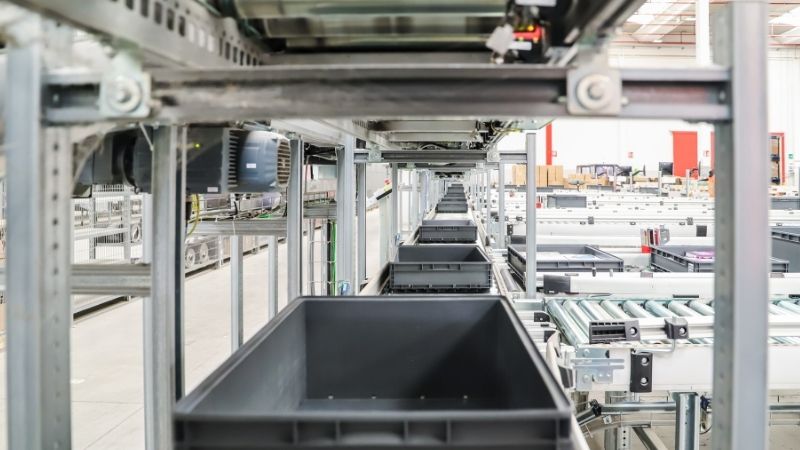
In modern automation and control systems, reliable detection of objects, distances, and movement plays a critical role in maintaining efficient and safe operations. Photoelectric sensing is one of the most widely used technologies for such purposes because of its versatility, durability, and precision. Whether used in manufacturing lines, packaging systems, safety barriers, or quality control stations, these sensing devices contribute to intelligent, adaptive systems that improve both productivity and reliability.
Understanding Photoelectric Sensing
Photoelectric sensors operate by emitting a beam of light — often infrared or visible — and detecting changes in that light’s reception. When an object interrupts, reflects, or alters the light path, the sensor registers a change and triggers a response within the control system. These sensors detect objects without making physical contact, making them ideal for environments where mechanical switches may wear out or fail.
Because they can detect a wide range of materials and surface types, photoelectric sensing supports numerous industrial tasks where consistent, fast detection is essential.
Key Benefits of Using Light-Based Detection
The popularity of light-based sensing solutions stems from their many advantages:
- Non-contact detection: Ideal for high-speed and high-wear environments
- Versatility: Detects transparent, opaque, reflective, and irregular objects
- Precision: Accurate positioning and repeatability
- Durability: Fewer moving parts means lower maintenance
- Range flexibility: Can sense objects from millimetres to several metres away
These features help avoid mechanical wear and tear while maintaining consistent performance even in demanding conditions.
How Photoelectric Sensors Work
There are three main configurations of photoelectric sensors:
1. Through-beam sensors
In this setup, the emitter and receiver are placed opposite each other. When an object breaks the light beam, the sensor detects the interruption. This type is ideal for long-range sensing and applications requiring reliable detection of small objects.
2. Retro-reflective sensors
Here, the emitter and receiver are positioned side by side, and a reflector is placed opposite them. The sensor detects an object when it blocks the light reflected back from the reflector. These are commonly used where alignment points are fixed and visibility is clear.
3. Diffuse sensors
This design uses the emitted light reflecting directly off the object itself and returning to the receiver. The sensor triggers when it detects sufficient reflected light. Diffuse sensors are useful in close-range applications and where reflectors are not practical.
Each configuration suits different applications, allowing engineers to choose based on range, object size, and environmental conditions.
Applications in Industry Automation
Photoelectric sensing technology plays an important role across many industries, including:
- Manufacturing lines: Detect parts for sorting, counting, and quality control
- Packaging systems: Ensure products are correctly positioned or present
- Safety systems: Trigger shutoffs or alerts when personnel enter restricted areas
- Conveyor systems: Monitor flow and prevent jams
- Robotics: Serve as feedback for movement and positioning
The non-contact nature of these sensors allows fast, reliable decisions without interrupting workflow or slowing production.
Selecting the Right Sensor for Your Needs
When selecting a photoelectric sensor, consider several factors:
Detection range: Based on how far away objects must be sensed
Environmental conditions: Dust, moisture, vibration, and temperature
Object properties: Color, reflectivity, transparency
Mounting and alignment: Fixed or adjustable positions in machinery
Choosing a sensor that matches these requirements helps ensure that the automation system performs reliably without costly adjustments later.
Installation and Setup Tips
Correct installation improves performance and reduces troubleshooting time. Here are some practical tips:
- Mount sensors securely to prevent movement or vibration
- Ensure alignment between the emitter and receiver when required
- Avoid direct sunlight or reflective surfaces that can confuse detection
- Test detection points with sample objects during setup
These steps help maintain consistent results and reduce the need for frequent recalibration.
Maintenance and Longevity
Photoelectric sensors are known for low-maintenance performance, but periodic checks help sustain uptime and efficiency. A routine inspection may include:
- Cleaning lenses and housings to prevent dust buildup
- Verifying wiring connections and cable integrity
- Confirming alignment after system movement or maintenance
Simple preventive care adds years of reliable service to automation systems with minimal effort.
Photoelectric Sensing in Smart Manufacturing
With growing interest in smart manufacturing and Industry 4.0, sensing solutions become even more important. Connected sensors can provide real-time data to control systems, enabling:
- Predictive maintenance alerts
- Adaptive speed and flow control
- Automated quality inspection feedback
- Data logging for process optimisation
These capabilities support more responsive and intelligent systems that react to actual operating conditions rather than guesswork.
Safety and Regulatory Considerations
In automated environments, safety can never be overlooked. In addition to sensing objects or products, photoelectric sensors often integrate with safety systems to detect personnel entry into hazardous zones. Meeting regulatory safety standards and implementing redundant sensing layers enhances both productivity and workplace protection.
Integrating Sensors Into Larger Systems
Photoelectric sensors are rarely standalone components. They are often integrated into a broader control architecture featuring programmable logic controllers (PLCs), human-machine interfaces (HMIs), and communication networks. This integration allows data to flow through the system and act on detection events immediately, whether that means sorting a product, stopping a conveyor, or logging performance data.
Emerging Trends in Sensing Technology
Advancements in sensing technologies continue to enhance performance and adaptability. Today’s sensors may include features such as:
- Adjustable sensitivity settings
- Digital communication and diagnostics
- Compact housings for tight spaces
- Multi-frequency detection to minimise interference
Staying informed about these innovations helps engineers and technicians choose the best solution for both current and future needs.
Making Informed Choices for Your System
Selecting the correct sensing solution involves a careful assessment of application requirements, environmental conditions, and long-term goals. By choosing reliable sensor types and integrating them intelligently into control systems, operators can achieve higher productivity, improved quality control, and safer environments.
For those exploring dependable automation components, solutions such as reputable 光感測器台灣 options can help provide consistent performance and the flexibility needed in modern industrial applications.
